SEO Content Strategy
We run live webinars on SEO content strategy — not the kind that recycles slides from 2019, but sessions where you can ask about your actual website and get a direct answer.
What We Actually Do
Content audits that go somewhere
Most SEO audits produce a spreadsheet nobody opens. Our webinar sessions walk through real audit findings live — you see the reasoning, not just the output. The goal is that you can replicate the process yourself, not just receive a report.
Live format, no reruns
Every session runs once, live. Questions come in during the broadcast and get addressed in context. This matters because SEO questions rarely have context-free answers — what works for a local service page differs from what works for a product listing.
Search intent as the starting point
We organize sessions around specific strategic questions — how to structure a cluster, when to consolidate pages, why some well-written content ranks poorly. Each webinar addresses one focused problem rather than a general topic that could fill a textbook.
How the platform developed
Tarnex Vudsa started in 2020 with a single recurring question from early participants: why does a page with good writing still not rank? That question became the structural logic of everything we run today. The platform grew from weekly Q&A calls into a structured program with a clear sequence of topics and an expanding library of session recordings for reference.
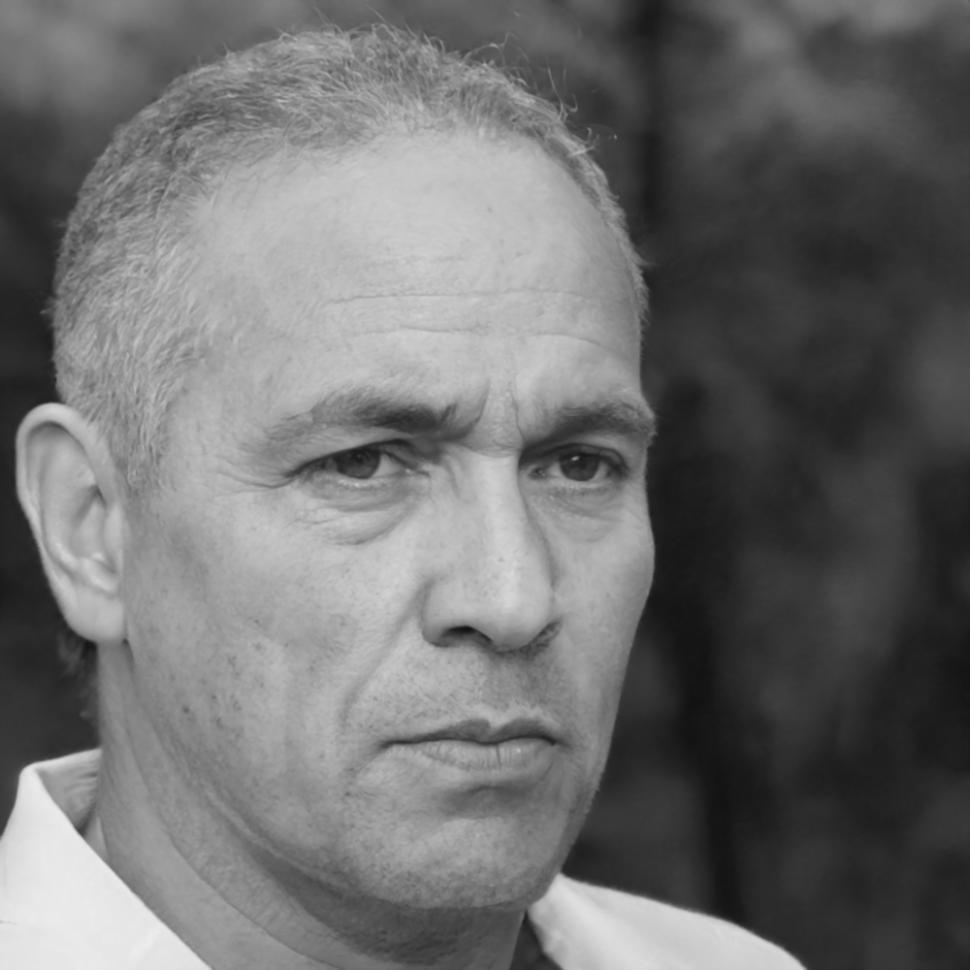
Benedek Orosz
Lead Strategist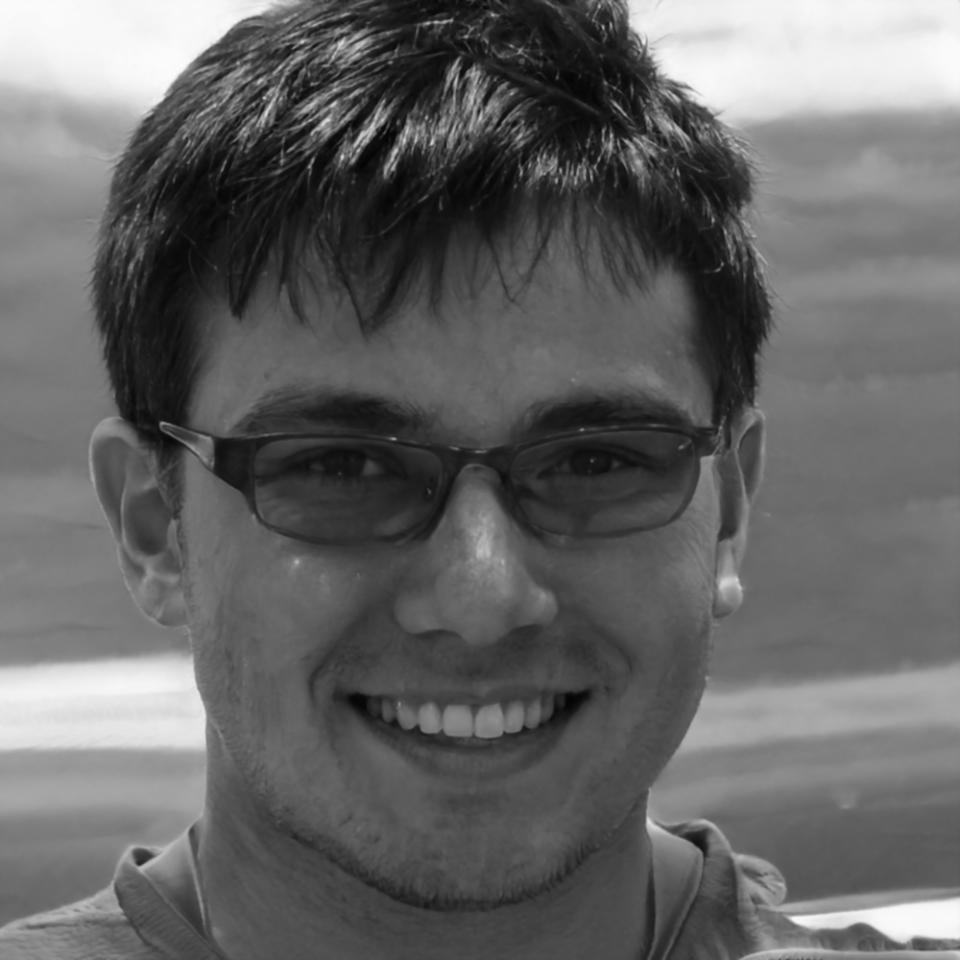
Soren Halvik
Content ArchitectPlatform Launch
First live sessions focused on keyword research and content gap analysis. Small groups, long Q&A windows, very direct feedback from early participants who tested recommendations in real time.
Structured Curriculum
Sessions organized into topic sequences rather than standalone events. Introduced the audit-led format where session examples come from real participant sites, anonymized and analyzed live.
Interactive Broadcast Tools
Live polling and in-session question ranking added, so the most relevant questions surface first. This reduced the gap between what participants needed and what the session actually covered.
Global Access Program
Sessions now run across three time-zone windows. Recordings and written session summaries available for registered participants who cannot attend the live broadcast.